


Gloo AI Studio is the platform's command and control center for values-aligned AI. Studio enables content publishers to license and control their intellectual property while providing developers with APIs, SDKs, and data transformation tools to build AI applications that promote human flourishing.
Gloo had two audiences with different needs and one platform to serve both. Content publishers, like ministries, authors and nonprofits, wanted their work to help power AI. Most of them, though, were new to AI and had never had to think about how content gets processed, chunked and turned into data a model can use. They needed to understand what would happen to their work, how it would be licensed, and that they could take it back. Developers needed clean, structured, values-aligned data and the tools to build on it. The tools for each group were scattered across combined into one view, and neither group could fully identify with the tools they were seeing.
A publisher won't license work to a system they don't understand. A developer won't build on a platform that feels unfinished. AI Studio had to explain the AI process in plain terms for people seeing it for the first time, and still give developers the depth they expected. It had to make a complicated system of rights, data pipelines and APIs feel understandable, controllable and worth investing in, for both sides at once.
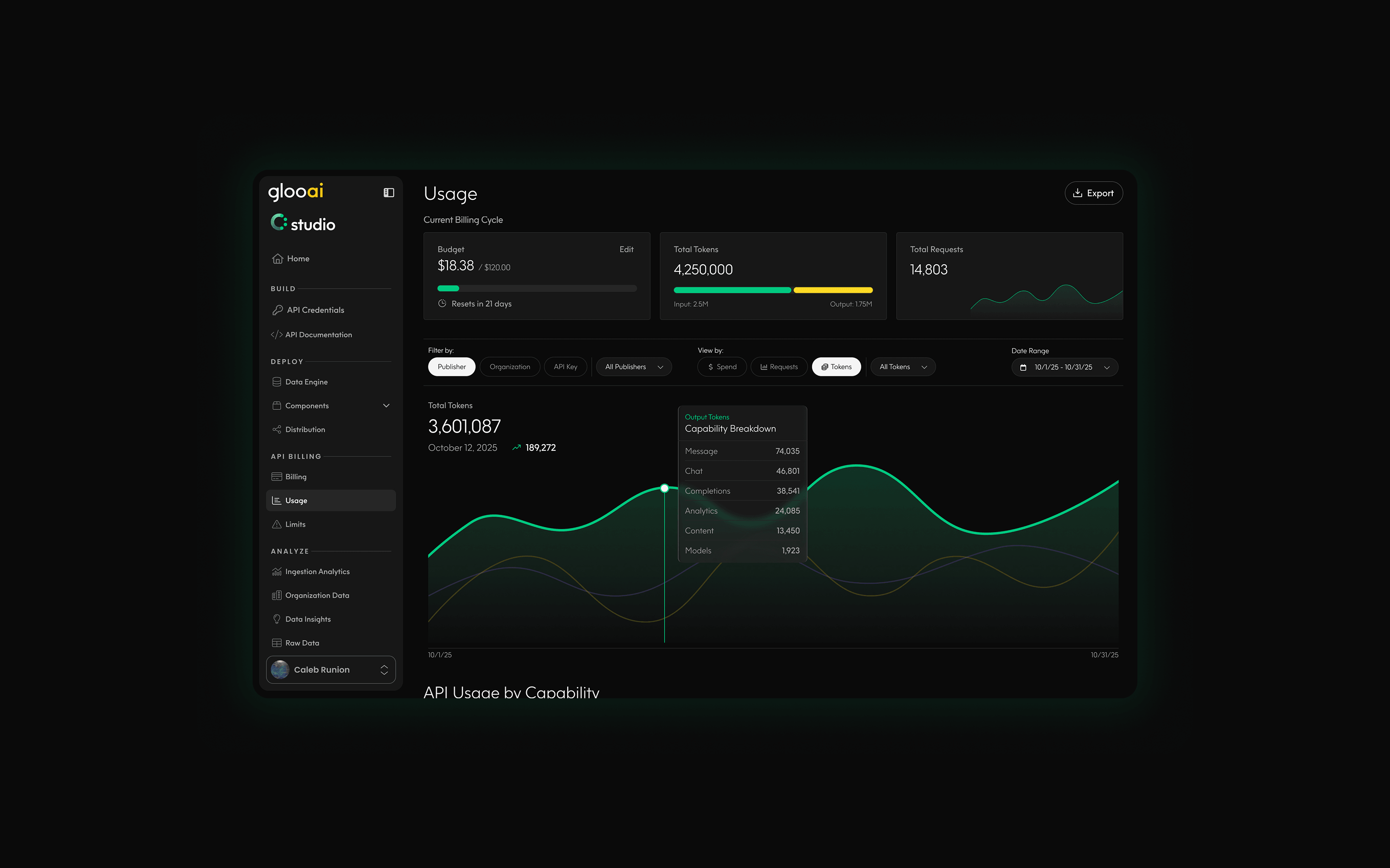
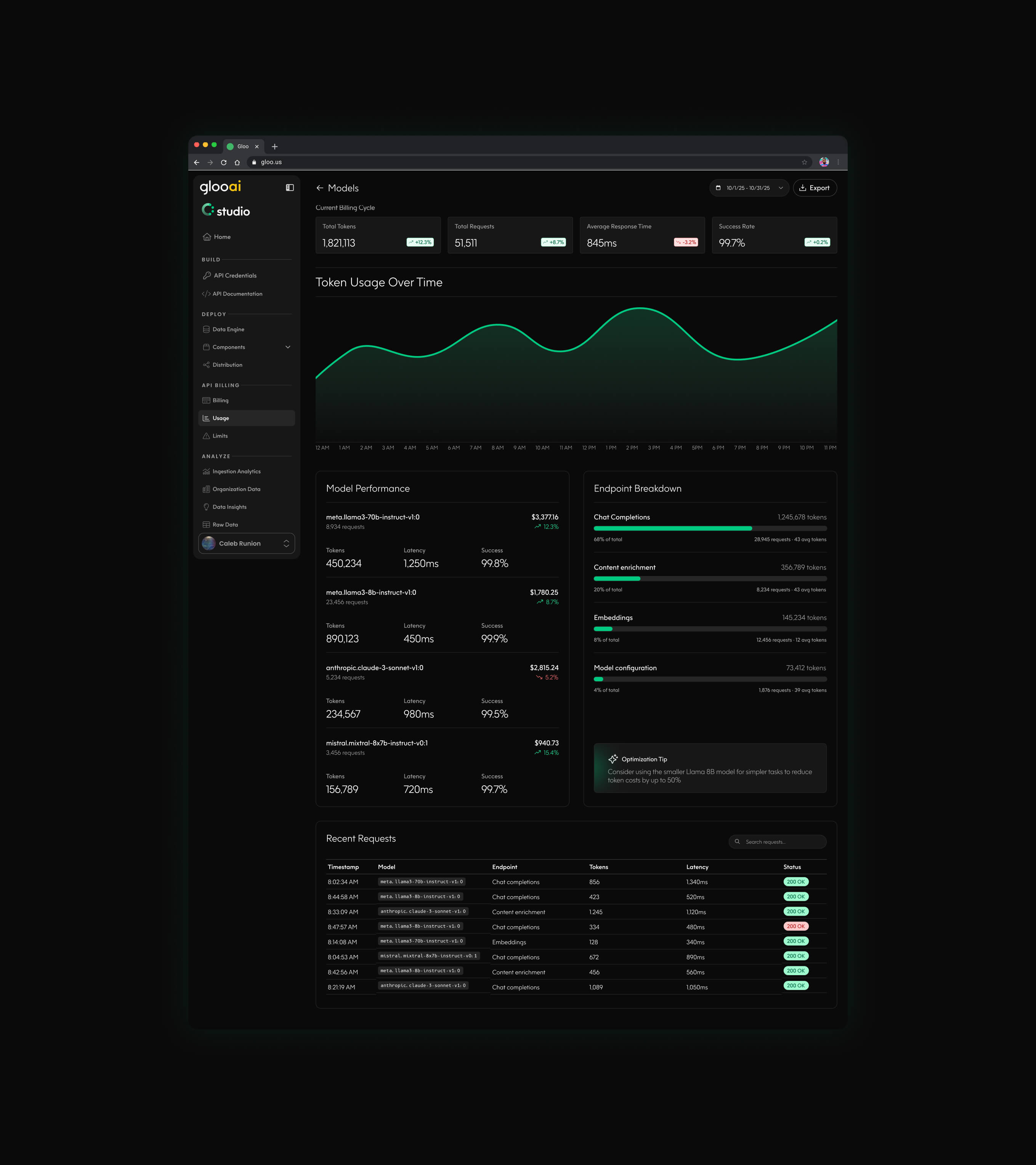
We started by mapping the full lifecycle of a piece of content: from upload and licensing, through transformation, to use inside a developer's application. That map made the shared model clear. Publishers and developers were looking at the same system from opposite ends. We designed Studio as one command center with role-based views, so each user saw the controls that mattered to them while working from the same source of truth.
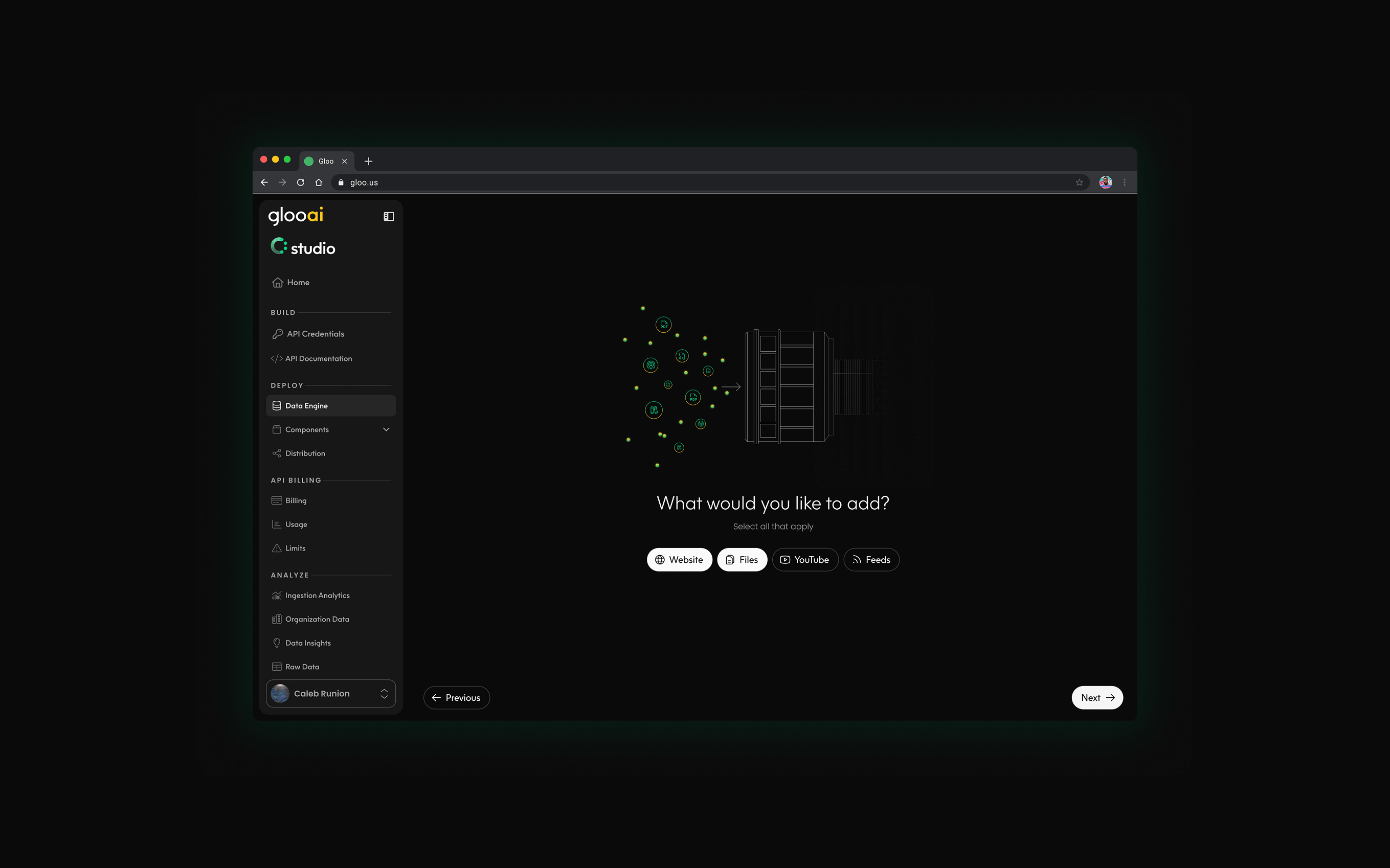
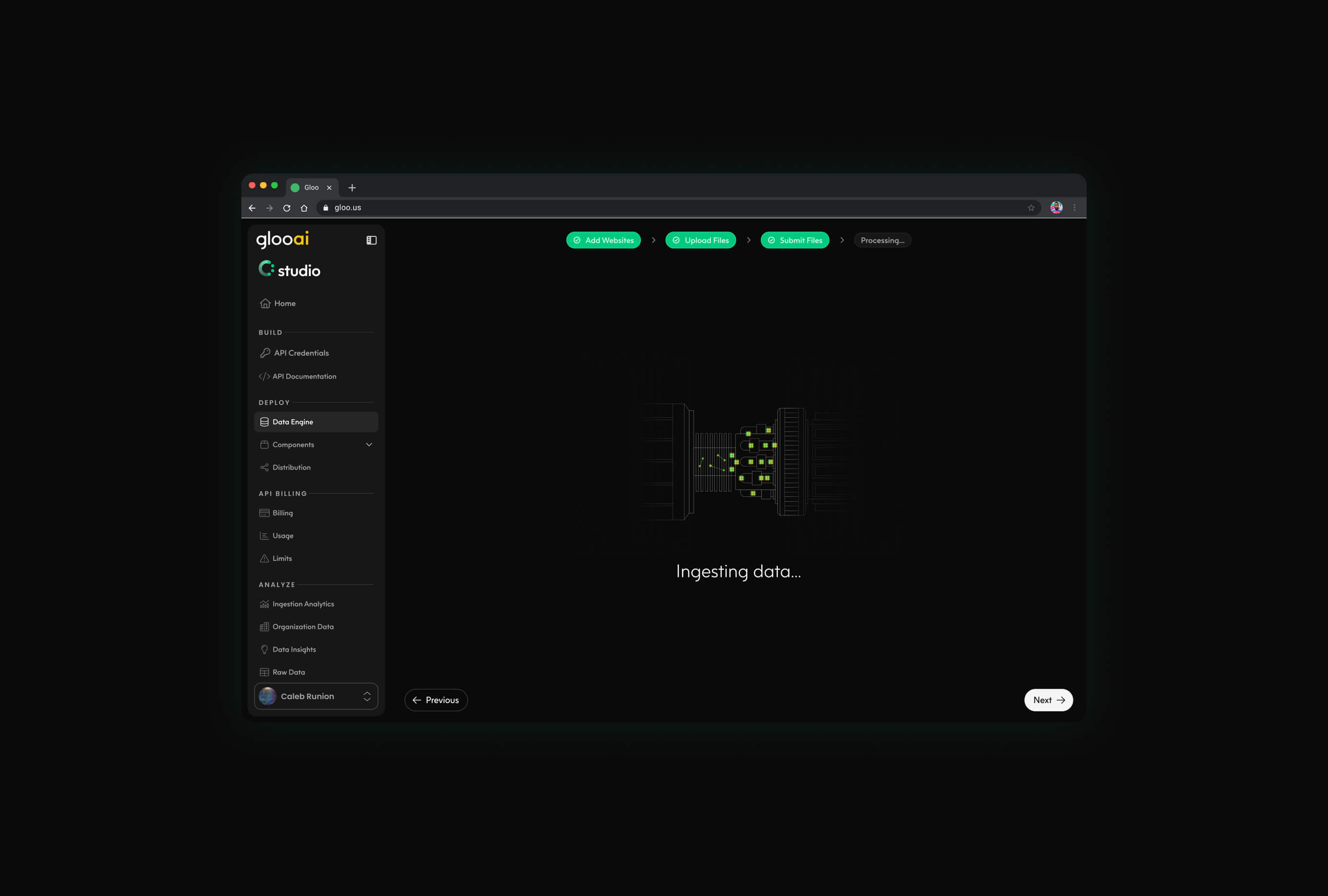
For publishers, we designed a TurboTax-style upload flow. It walked them through one simple question at a time, so they could provide the assets they had without needing to understand everything happening in the backend. We turned every step of the data pipeline into plain language and visual status, so publishers could see their content move from upload to model-ready without a technical background.
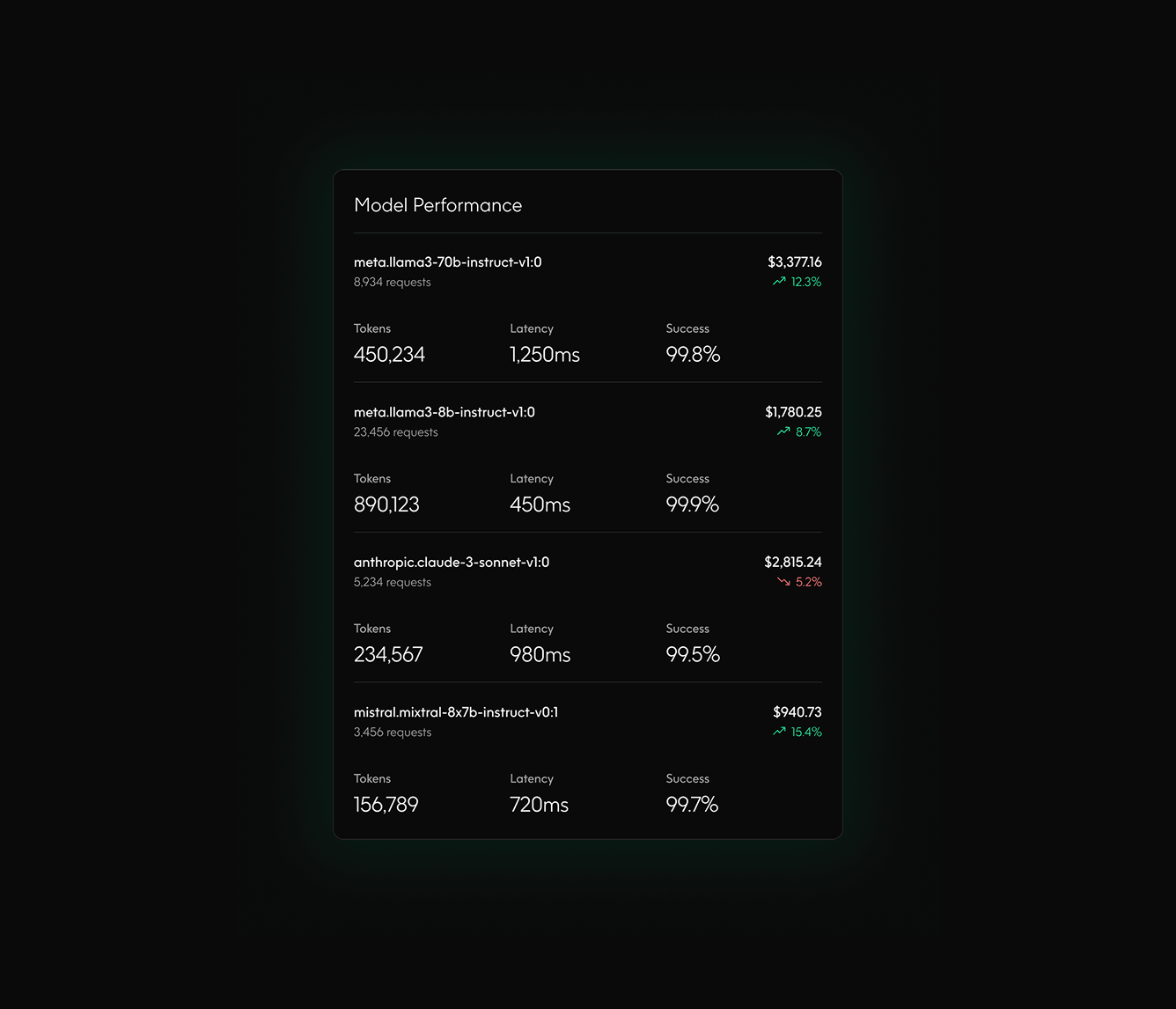
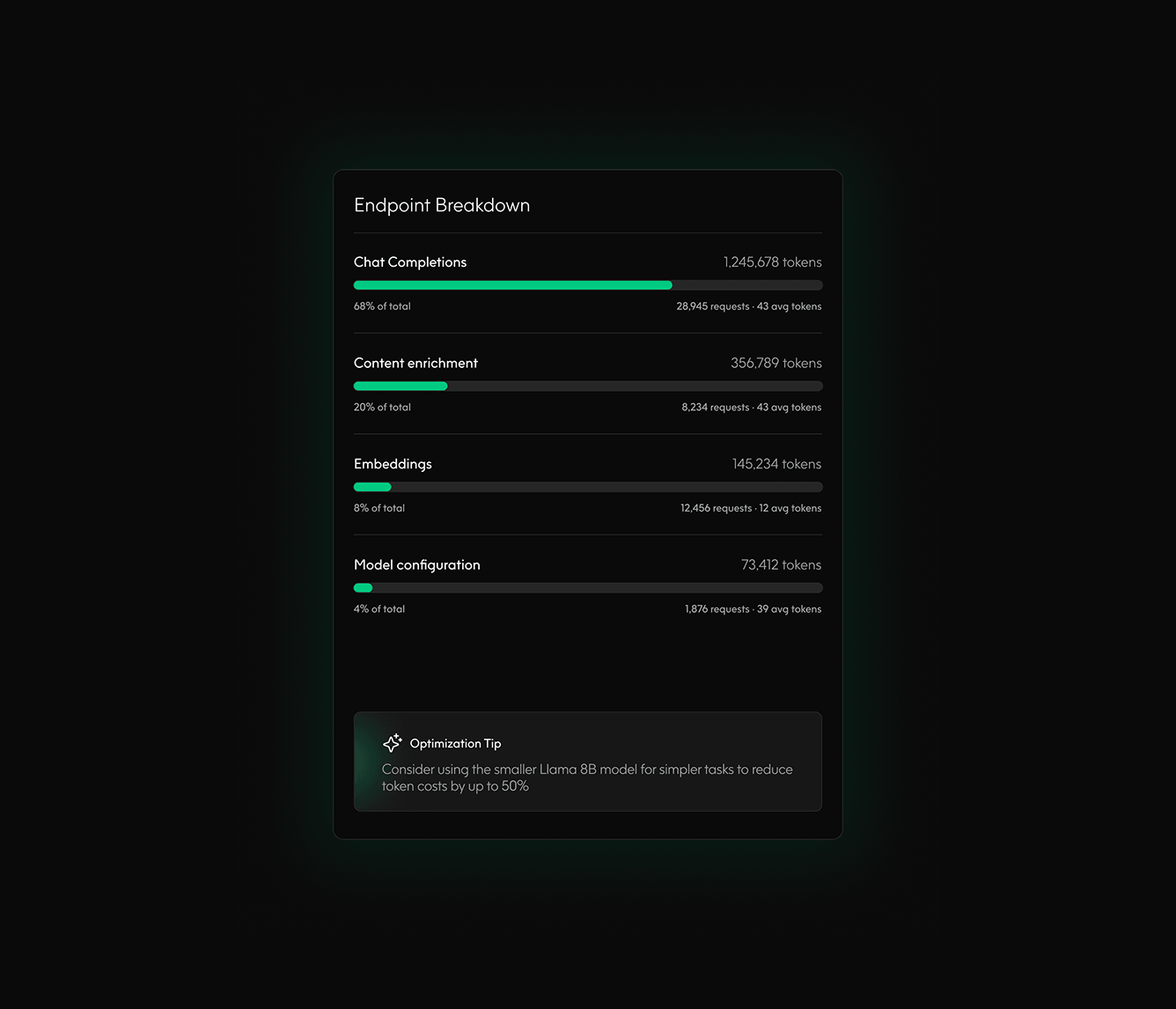
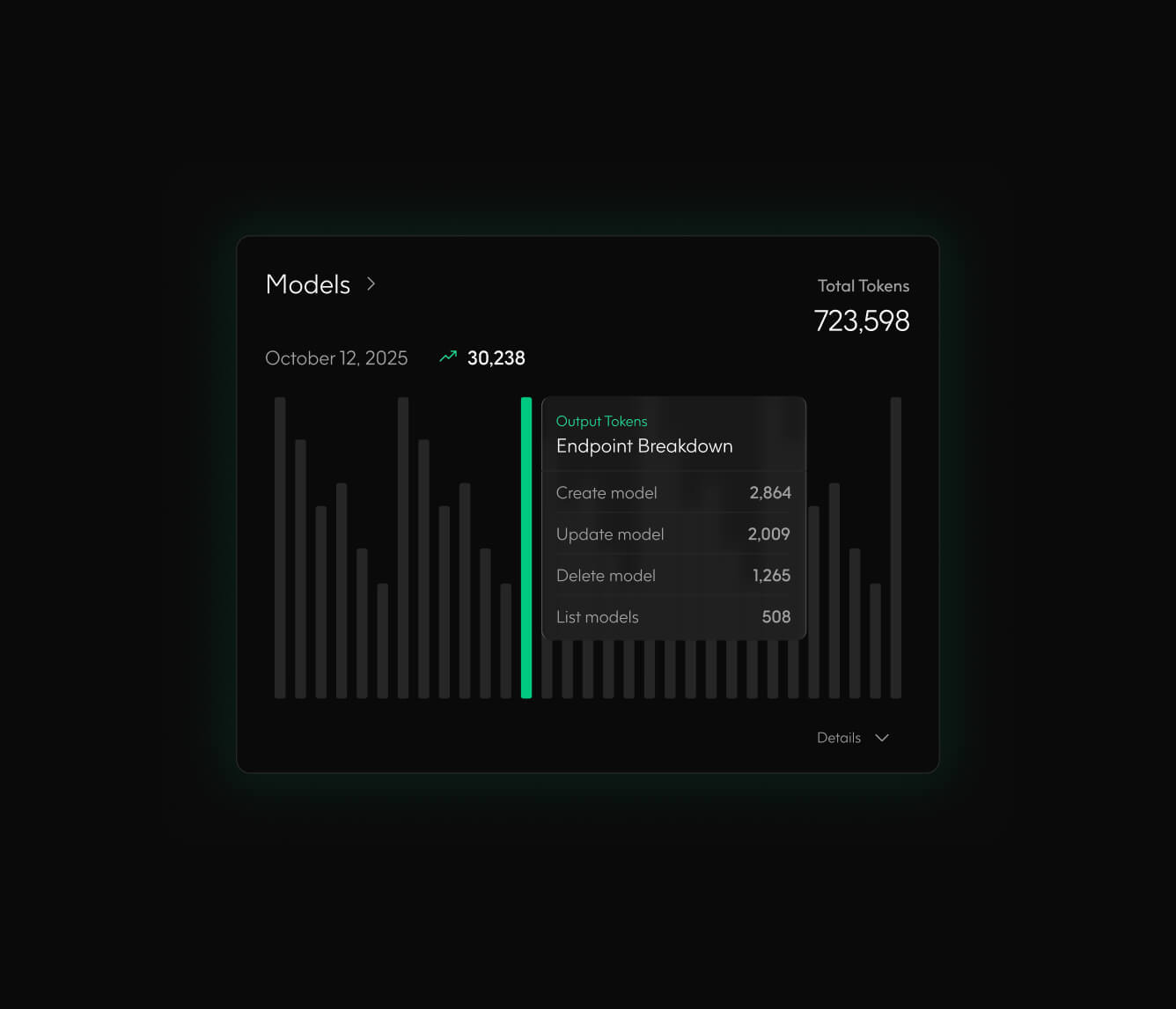
For developers, we designed a new dashboard that brings usage into one view. Developers can track token usage over time, compare model performance by latency, success rate and cost, and see which endpoints are driving activity. That gives them what they need to build, troubleshoot and manage spend with confidence.
.png)